
The Biggest Game-Changers for Avoiding Dry Winter Skin: Dermatologist-Recommended Products and Tips

Some of the links on Spa & Beauty Today may contain affiliate links. This means if you click on the link and purchase the item, we may receive an affiliate commission at no extra cost to you. All opinions remain our own.
Winter is here and so is the dry skin that comes with it. That can mean dealing with skin issues from your head to your toes, including your scalp, lips, hands, knees, feet, and more. The redness, peeling, cracking, and flaking that comes along with winter conditions can make us feel self-conscious about the way we look and be downright uncomfortable physically.
We chatted with Aderonke Obayomi, MD, a board-certified dermatologist, to learn how to keep skin moisturized and glowing though the cold winter months. From daily habit game-changers to what to look for in products, Obayomi shares her top expert tips.
Do you have any simple everyday tips that can help when it comes to avoiding dry skin?
One of the biggest game-changers is investing in a humidifier, especially if you live somewhere with dry indoor heating. That blasting heat in your apartment or office is stripping moisture right out of the air, and right off your skin. A humidifier running while you sleep can make a noticeable difference.
Also, long, hot shower feels amazing when it's cold outside, but high-temperature water actually dries your skin out more. Try to keep showers lukewarm and quick. And the most important part? Moisturize immediately after. Don't even towel off completely. Apply a thick cream while your skin is still damp to lock that moisture in.
What role does the weather play in affecting dry skin and is there anything we can do when we live in a place where the conditions are particularly rough on skin?
Weather plays a huge role, and it's not just about cold temperatures. It's really about humidity.
When humidity drops, your skin barrier becomes compromised. It's not just the wind and cold outside that's the problem. It's the dry heat indoors.
In places like New York, many of us live in apartments where we can't control our heating systems. That heat just blasts constantly and makes the indoor air incredibly dry.
The good news is your skin can actually adapt over time. There's something called natural moisturizing factor that helps your skin pull moisture from the air, and it does upregulate in dry environments. But that takes a few weeks, so in the meantime, be proactive: use a humidifier, switch to heavier creams, and reapply throughout the day.
What ingredients should people look for when it comes to staying moisturized? Are there any that are commonly used, but you recommend avoiding when dealing with dry skin?
Look for hyaluronic acid. It's a humectant that helps retain water in the skin, and studies have shown it can increase skin hydration by up to 55%. It also helps with smoothness, plumping, and fine lines, so it really does a little bit of everything. Ceramides are another great one. They help restore the skin barrier.
As for what to avoid: fragrances and essential oils. I know they smell wonderful, and I understand the appeal of homemade concoctions with coconut oil, shea butter, and lavender oil. Many of us grew up with these. But these can actually be allergens that irritate your skin and make dryness worse.
When your skin barrier is already compromised from the dry winter air, you want to keep things as simple and gentle as possible. Go for sensitive skin formulas with minimal ingredients.
Does staying hydrated help with keeping skin moisturized?
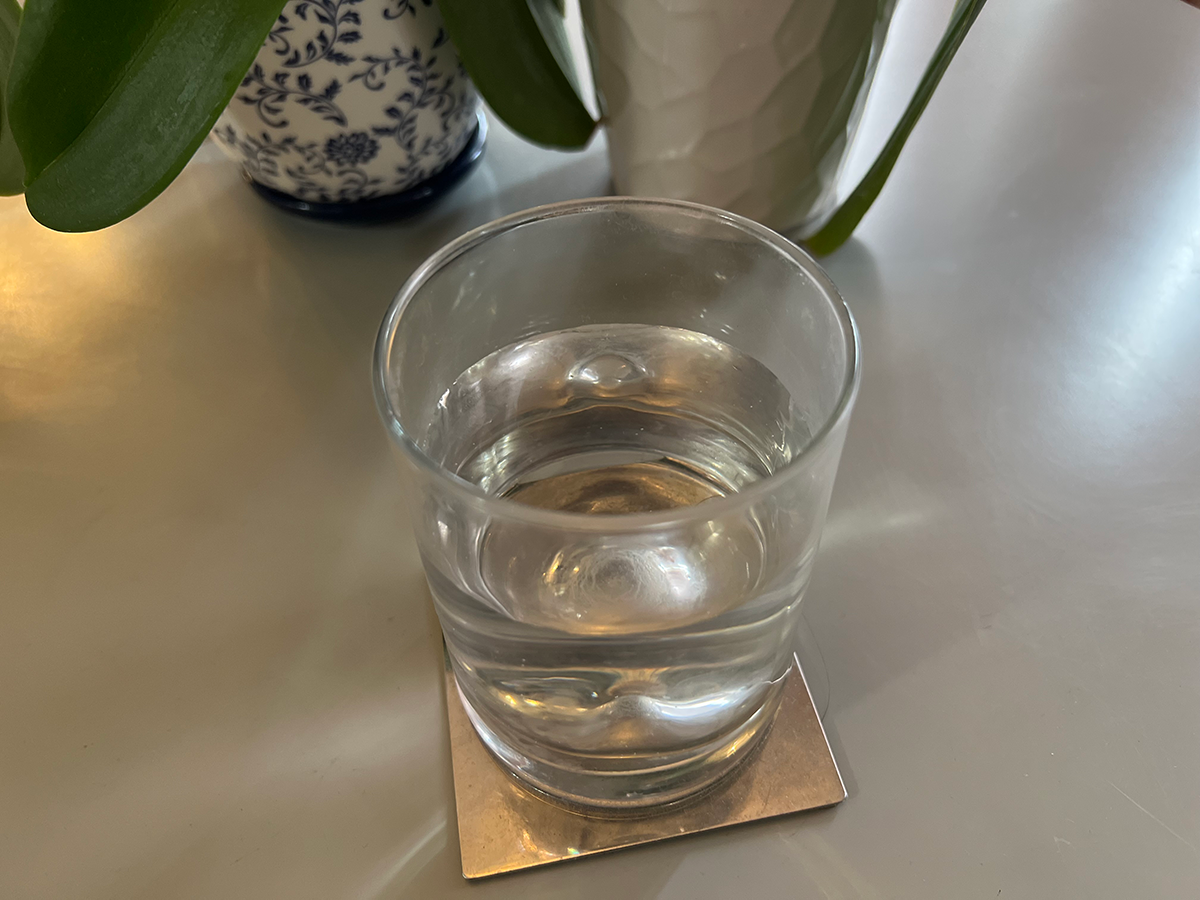
“Drinking water is important for overall health, but the truth is, if you're already reasonably hydrated, drinking extra glasses of water won't dramatically change your skin's moisture levels.”
Drinking water is important for overall health, but the truth is, if you're already reasonably hydrated, drinking extra glasses of water won't dramatically change your skin's moisture levels. The hydration that matters most for your skin comes from what you put on it: moisturizers, humectants, and occlusives that actually trap moisture in your skin barrier. You can drink all the water you want, but if you're not sealing that moisture topically, you're fighting a losing battle, especially in winter.
Any tips specifically for dry lips, dry hands, and dry scalp?
Dry lips: Keep a lip balm or petroleum jelly with you at all times and reapply constantly. Avoid licking your lips. It feels like it helps but actually makes things worse. Look for balms without fragrances or flavors, which can be irritating.
Dry hands: This is a big one, especially because we're constantly taking gloves on and off in winter. Carry a thick hand cream or petroleum jelly in your bag and reapply liberally throughout the day. You really can't overdose on moisturizer. The only rate-limiting step is cost! After washing your hands, moisturize immediately before the water evaporates.
Dry scalp: Look for gentle, hydrating shampoos and avoid over-washing, which strips natural oils. If you're dealing with flaking, a scalp treatment with moisturizing ingredients can help soothe irritation.
Do you have any personal favorite products for dealing with dry skin?
I'm a big believer that effective skincare doesn't have to be expensive. Some of my favorite products for dry skin are drugstore staples.
Body Moisturizers:
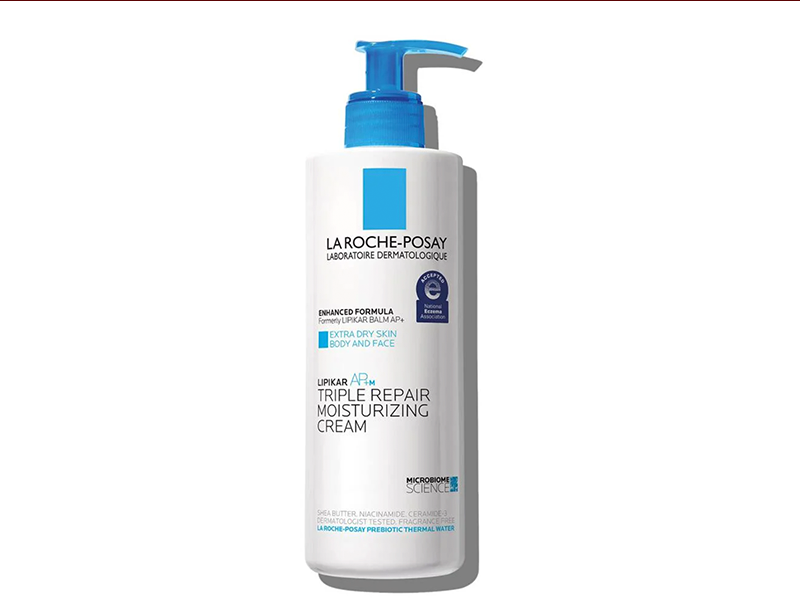
La Roche-Posay Lipikar AP+M Triple Repair Body Moisturizer. Image courtesy of La Roche-Posay.
For body moisturizers, I love the La Roche-Posay Lipikar AP+M Triple Repair Body Moisturizer ($20). It's incredible for dry, compromised skin and works beautifully in winter. For something even more heavy-duty, the La Roche-Posay Cicaplast Balm B5+ ($16) is a multi-purpose cream that's great for very dry patches. I recommend it constantly.
Face Moisturizers:
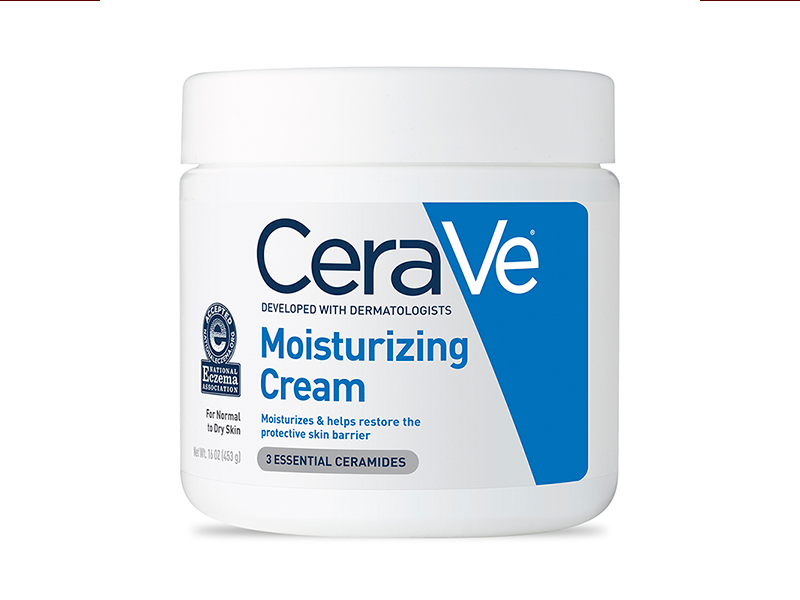
CeraVe Moisturizing Cream. Image courtesy of CeraVe.
For face moisturizers, you really can't go wrong with the classics: CeraVe Moisturizing Cream ($17) and Vanicream Moisturizing Cream ($14) are both thick, fragrance-free, and packed with ceramides to help repair your skin barrier. The La Roche-Posay Toleriane Double Repair Moisturizer ($11) is another favorite. It's lightweight but still deeply hydrating.
Cleansers:
For cleansers, gentle is key in winter. I reach for the Vanicream Gentle Facial Cleanser ($9), Cetaphil Gentle Skin Cleanser ($17), or CeraVe Hydrating Cleanser ($17). They clean without stripping your skin.
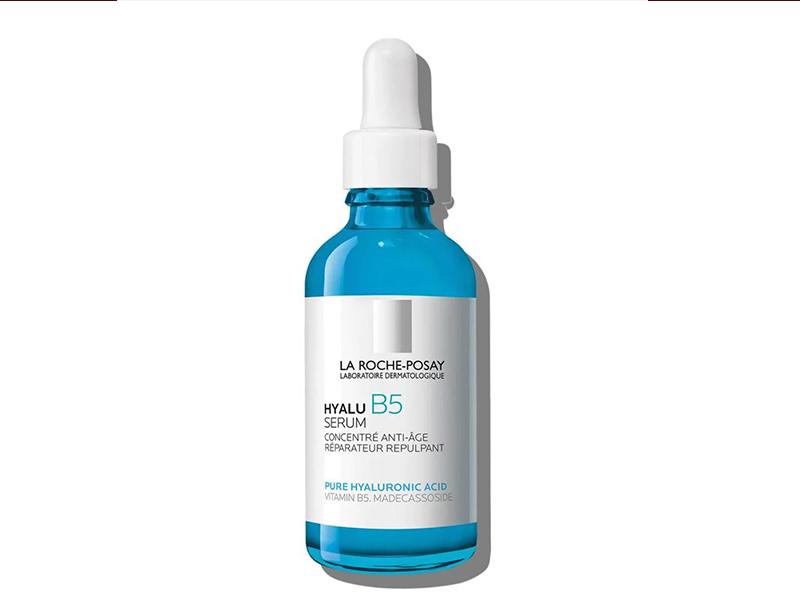
La Roche-Posay Hyalu B5 Pure Hyaluronic Acid Serum. Image courtesy of La Roche-Posay
And for an extra hydration boost, I love a good hyaluronic acid serum. The La Roche-Posay Hyalu B5 Pure Hyaluronic Acid Serum ($40) is excellent for plumping and hydrating the skin.
What are some signs that someone's dry skin is actually more serious and they should see a doctor?
If your dry skin is so uncomfortable that it's disrupting your sleep or daily activities, that's a sign to see a dermatologist. Also look out for: skin that's cracking or bleeding, patches that look very inflamed or have a purplish or grayish tone, or small goosebump-like textures that could indicate eczema.
And if you're dealing with dark spots or discoloration after the dryness clears up (that's called post-inflammatory hyperpigmentation), a dermatologist can help you treat that properly. The key is addressing the underlying cause first before chasing the discoloration.
About Dr. Obayomi:
Dr. Aderonke Obayomi MD, MPH, FAAD is a board-certified dermatologist providing comprehensive medical, cosmetic, and surgical care to patients of all ages and skin types. She earned her medical degree and Master of Public Health from Tulane University and completed her dermatology residency at the University of Miami. Dr. Obayomi serves on committees within the American Academy of Dermatology and the Skin of Color Society. Her research has been published in multiple prestigious dermatology journals. She specializes in conditions including acne, psoriasis, skin cancers, and skin of color dermatology, as well as cosmetic treatments such as dermal fillers, chemical peels, and wrinkle relaxers.
This website does not provide medical advice and is for informational purposes only. The content here is not intended to be a substitute for professional medical advice, diagnosis, or treatment. Always seek the advice of your physician or other qualified health care provider with any questions you may have regarding a medical condition or treatment and before undertaking a new health care regimen. Never disregard professional medical advice or delay in seeking it because of something you have read on Spa & Beauty Today.

Lizzy Sherman, Co-Founder of Spa & Beauty Today
A University of Michigan graduate, Lizzy Sherman is an award-winning writer and editor. You can also find her work in publications including Healthline, Sports Illustrated, Yahoo!, MindBodyGreen, Men’s Journal, Bezzy, and more.
She has been a featured guest speaker at Cal State University Northridge, Digital LA, and The National Association of Audience Marketing Professionals.
When she's not writing, Lizzy enjoys yoga and playing guitar. Follow her on Instagram and Twitter: @zillizy, @zillizy16