Hygiene Poverty Nonprofit Toiletries Amnesty Is Now in All 50 States
Award-winning global directory Toiletries Amnesty now has a presence in all 50 U.S. states.
Toiletries Amnesty, the award-winning global directory connecting people and brands with surplus toiletries directly to frontline nonprofits and community groups that need them, now has a presence in all 50 U.S. states.
Launched in 2014 as the first organization in the UK to tackle hygiene poverty, Toiletries Amnesty began with two spare bottles of shampoo.
Founder Karen Harvey MBE wanted to donate the unused products rather than throw them away or send them to landfill, but she didn’t know where to take them. She eventually gave them to a local shelter — a small act that sparked the idea for something much bigger.
Recognizing both the increasing problem of hygiene poverty (sometimes referred to as hygiene insecurity) and the enormous potential to redistribute usable products that might otherwise go to waste, Harvey created Toiletries Amnesty.
Her goal was not just to support local communities and form more understanding relationships in society, but also to demonstrate that a small act could have a huge and positive effect on everyone — and on the environment.
The directory has now grown to more than 1,600 frontline services — such as homeless shelters, women’s refuges, mental health services, hospices and food banks — in 22 countries, providing access to toiletries and hygiene products for more than 11 million people annually.
In 2024, Harvey was appointed a Member of the Order of the British Empire (MBE) by King Charles III in recognition of her services to people living in hygiene poverty, considerate consumption and the environment.
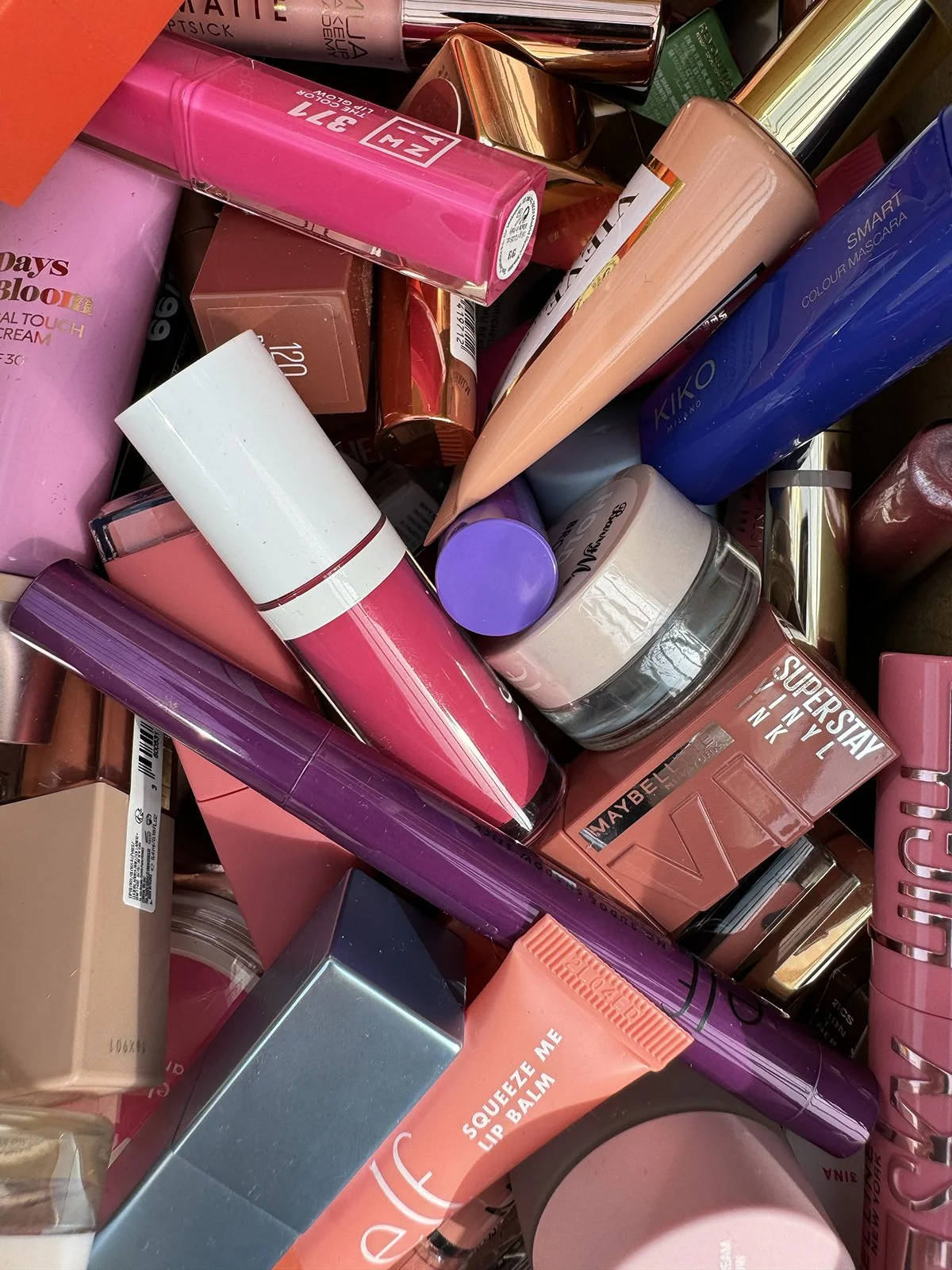
Toiletries Amnesty launched in 2014 as the first organization in the UK to tackle hygiene poverty.
Tackling Hygiene Poverty — Without Creating More Waste
Unlike other hygiene poverty initiatives that collect and store donations at a central warehouse, Toiletries Amnesty connects donors directly with frontline services in their communities. The model helps reduce unnecessary transportation and associated emissions while ensuring products go where they’re needed.
Toiletries Amnesty’s expansion across all 50 states follows a concerted effort to bring more U.S. nonprofits and community services into its directory as it works to make donating unwanted toiletries as easy and accessible as possible.
Signing up is free and takes just a few minutes. Organizations select the products they need most — and whether they accept new or partly used items, or both — enabling people to see exactly what they can donate and how to get it to them.
There are nearly 90 categories, from everyday essentials such as diapers, soap, shampoo, deodorant and toothpaste to more luxury items such as face masks and perfume.
For businesses and brands with larger quantities, Toiletries Amnesty’s Donation Station provides a way to redistribute returned, damaged, mislabeled, end-of-line or surplus products rather than letting usable stock go to waste. Donations are shipped directly to frontline partners or collected locally, avoiding the need for an additional central distribution point.
Through these initiatives, brands and businesses can align their activities with nine of the 17 United Nations Sustainable Development Goals (SDGs), while advancing their Corporate Social Responsibility (CSR) goals with measurable global impact.
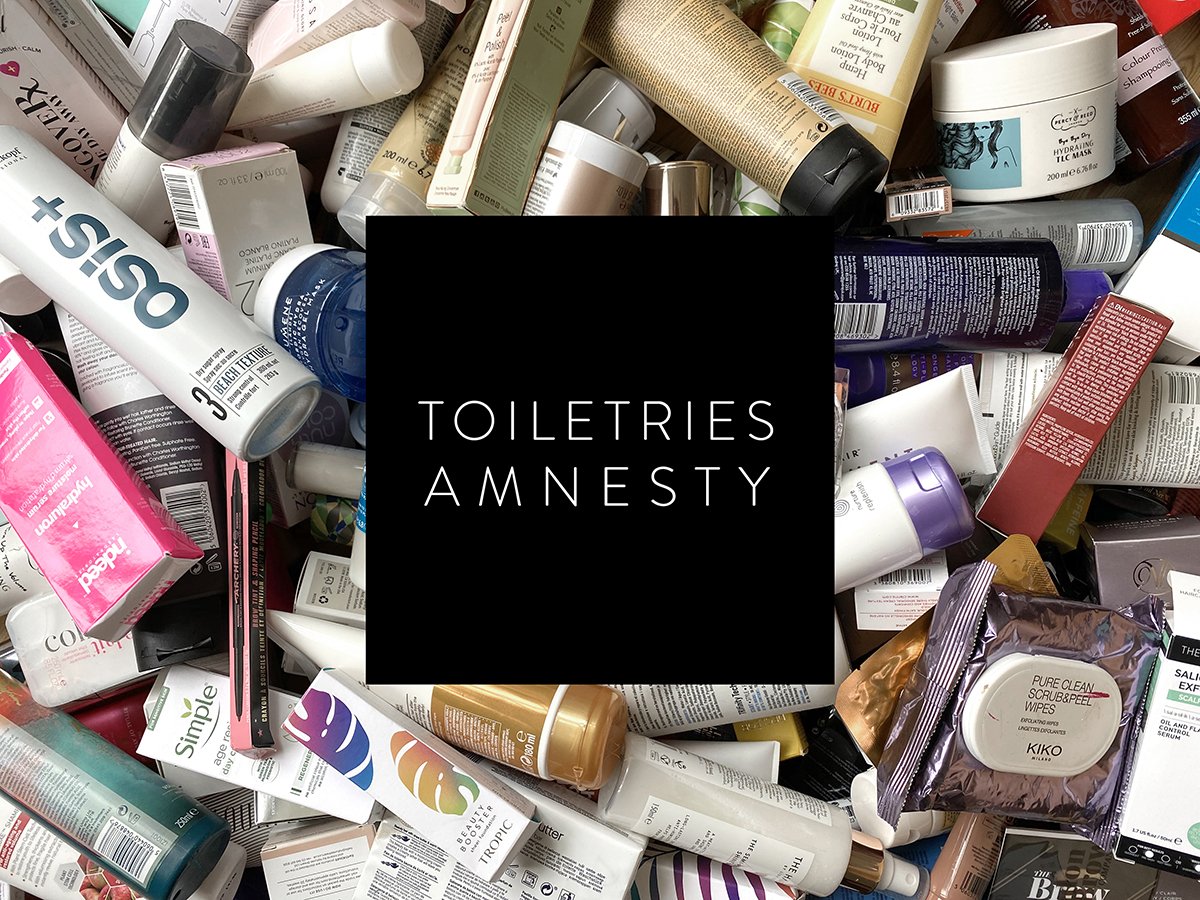
The directory has now grown to more than 1,600 frontline services in 22 countries.
Hygiene Poverty Is a Growing Issue
For millions of people, toiletries and basic hygiene products are not guaranteed. When household budgets are stretched, essentials like soap, shampoo, laundry detergent and diapers can become unaffordable — with consequences for health, dignity, education, employment and participation in everyday life.
According to Giving The Basics, one in three low-income families (34%) in the US reports difficulty affording basic household necessities, including hygiene products. When forced to choose between competing needs, hygiene is often the first thing families sacrifice. In a survey by Provision Promise, 42% of students in hygiene poverty reported being bullied and missing school due to hygiene-related issues. Government assistance doesn’t necessarily fill the gap, as SNAP benefits typically don’t cover toiletries and household hygiene products.
With demand for support continuing to grow, Toiletries Amnesty is working to expand its reach. The organization operates with a team of fewer than 10 volunteers, including one in the U.S., and Harvey is seeking funding to expand its reach while keeping the directory free for everyone who needs it.
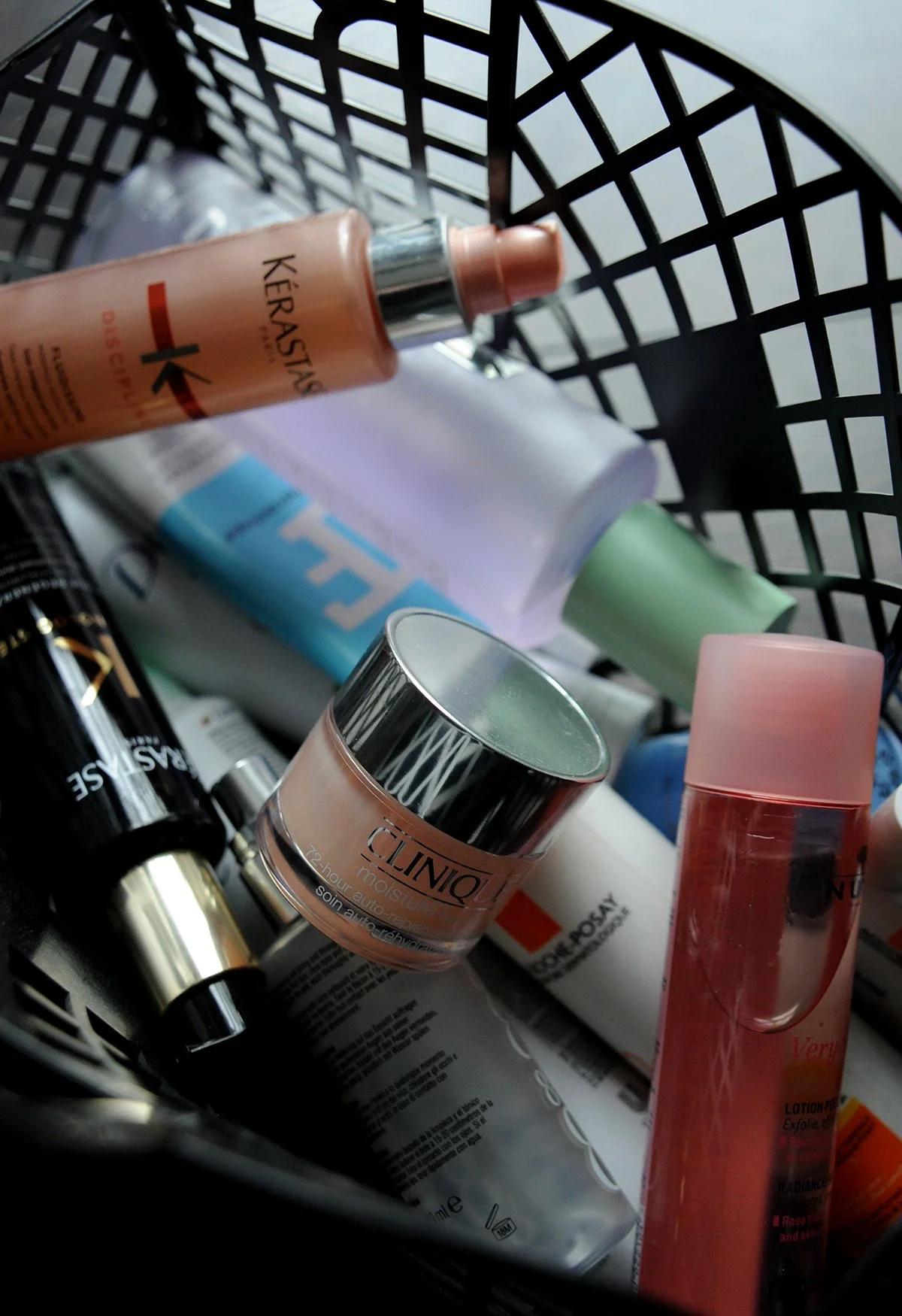
Toiletries Amnesty provides access to toiletries and hygiene products for more than 11 million people annually.
To learn more or to donate, visit toiletriesamnesty.org. To sign up to the directory, click here.
You can also follow Toiletries Amnesty on Instagram and LinkedIn.
[Photos courtesy of Toiletries Amnesty]
Born and raised in Essex, England, Lesley spent nine years as an editor and deputy series editor for Time Out’s award-winning travel guides.
After relocating to the U.S. in 2006, she became managing editor and later executive editor of the award-winning DAYSPA magazine, now part of Skin Inc.
A lifelong champion of animal and human rights, Lesley subsequently moved into the nonprofit space, serving as Communications Director for Animal Defenders International, Director of Partnerships at Greater Good Charities, and Director of Development & Communications at SpokAnimal. She also volunteers with the Los Angeles Innocence Project and is a 2026 Caring Across Generations Fellow.
Lesley now lives in Henderson, Nevada, with her husband and rescue dogs. In her spare time, Lesley can be found binge-watching reruns of “The Golden Girls,” sipping PG Tips or seeking out the latest spa and wellness treatments.