
How to Build an Effective Daily Oral-Hygiene Routine
Courtesy photo
Why a Consistent Routine Matters
Good oral health rarely comes down to a single product or clever trick. It depends, instead, on regular plaque removal, consistent fluoride exposure, daily cleaning between teeth, and periodic professional care. Whether someone reaches for a manual brush or an electric toothbrush, the tool itself matters less than how consistently and thoroughly it's used. Small, repeatable habits — carried out daily rather than now and again — are what actually help reduce the risk of tooth decay, gum inflammation, and persistent bad breath. This article focuses on building that kind of sustainable routine.
The Essential Components of Daily Oral Hygiene
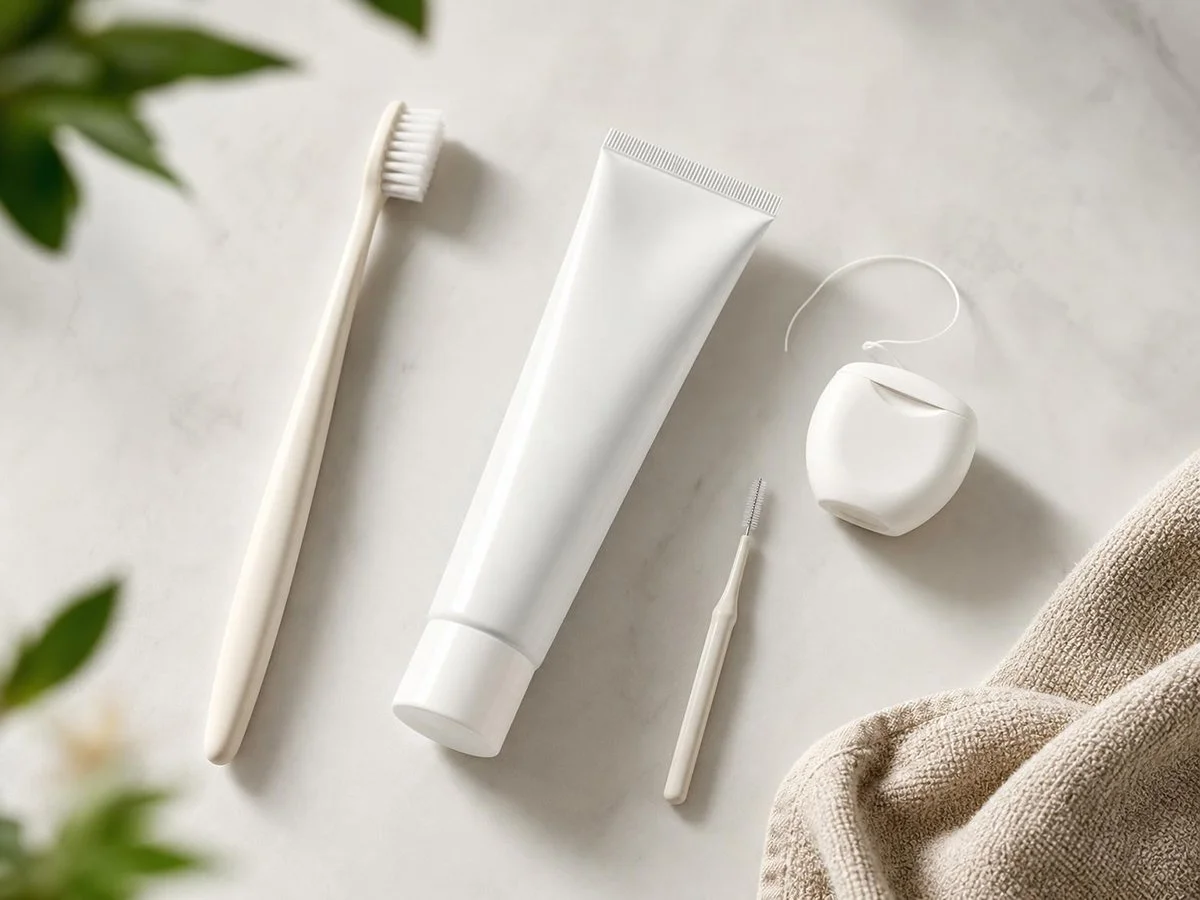
A dependable routine rests on four pillars: brushing twice daily with fluoride toothpaste, cleaning all accessible tooth surfaces, practicing interdental cleaning every day, and attending professional dental care appointments as advised. Each step addresses a different part of the mouth. Brushing reaches the outer, inner, and chewing surfaces, but it can't reliably get into the tight spaces between teeth — which is exactly why interdental cleaning remains a separate, necessary habit rather than an optional extra.
How to Brush Effectively
Use the right amount of time
Most dental guidance suggests brushing for roughly two minutes, twice a day. Dividing the mouth into four sections — upper left, upper right, lower left, lower right — and spending about 30 seconds on each can make the process easier to manage. A timer or a phone alarm can help anyone who tends to rush through it.
Use gentle pressure and complete coverage
Place the brush at a slight angle toward the gumline and use short, controlled movements rather than aggressive scrubbing. Brushing harder isn't more effective; in fact, excessive pressure can irritate gums and gradually wear down tooth surfaces. Working through a consistent sequence — outer surfaces, then inner surfaces, then chewing surfaces — helps ensure nothing gets missed.
Choose suitable equipment
Both manual and powered brushes can work well when used thoroughly and consistently. Practical factors worth considering include a comfortable handle, an appropriately sized head, soft bristles, and any accessibility needs. It's also worth distinguishing between plaque removal, gum health, and cosmetic concerns like surface staining — toothpaste or brush marketing that emphasizes whitening doesn't necessarily reflect better overall oral health.
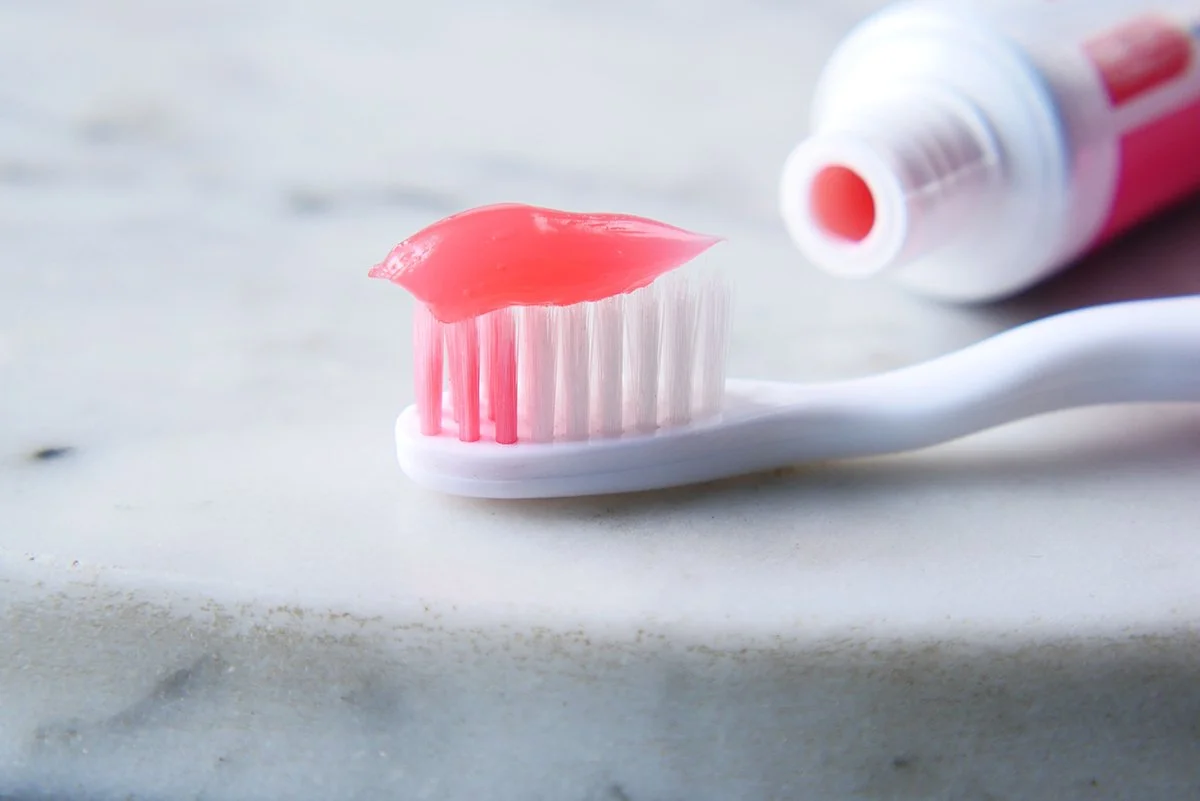
Photo courtesy of Pexels
Why Fluoride Toothpaste Is Important
Fluoride helps strengthen enamel and supports its ability to resist acid-related damage from everyday food and drink. Following the guidance on the toothpaste label, along with any local dental recommendations, matters especially for children. After brushing, spit out excess toothpaste and follow product-specific or professional instructions about rinsing. Claims about "detoxing" or natural substitutes that promise to rebuild teeth without clinical backing deserve a healthy dose of skepticism. People with orthodontic appliances, dry mouth, or specific dental conditions may need different guidance, so checking with a dental professional is always worthwhile.
Cleaning Between Teeth
Even careful brushing leaves plaque and food debris trapped between teeth, where a toothbrush simply can't reach. Dental floss or tape works well for tightly spaced teeth, while interdental brushes often suit larger gaps or certain dental work. A dental professional may recommend other aids depending on individual circumstances. The key is gentle technique — forcing floss into the gums causes harm rather than helping.
Choose the tool that fits the space. Not every method works equally well for every gap between teeth. Tooth spacing, gum health, dexterity, and any dental appliances all influence which interdental tool is most appropriate. If bleeding persists or cleaning feels difficult, a dental professional can offer tailored advice.
Habits That Can Undermine Oral Health
Frequent sugary or acidic drinks and snacks increase exposure to tooth-damaging acids, and constant grazing gives teeth less recovery time between acid attacks. Tobacco use can adversely affect oral and gum health. Poorly cleaned retainers, mouthguards, or other removable appliances can harbor bacteria. Brushing immediately after certain acidic foods may not be advisable — rinsing with water and waiting can be a reasonable alternative, depending on professional guidance. Mouthwash, where used, is generally considered a supplement rather than a replacement for brushing and interdental cleaning.
Adapting the Routine to Individual Needs
Standard routines often need some adjustment. Braces and dental appliances require extra attention around brackets and wires. Sensitive teeth call for gentler brushing and a professional assessment of the underlying cause. Persistent bleeding gums warrant a dental visit rather than simply avoiding interdental cleaning altogether. Limited dexterity may be eased with larger handles or powered assistance. Dry mouth can raise decay risk and may benefit from professional advice. Children need age-appropriate supervision and toothpaste amounts.
Consider a common scenario: someone brushes diligently twice a day yet still notices bleeding gums. On closer look, it turns out they skip interdental cleaning entirely and brush with considerable force. Adjusting both habits — adding daily interdental cleaning and softening pressure — often resolves the issue over time, though a dental check remains sensible if the bleeding continues.
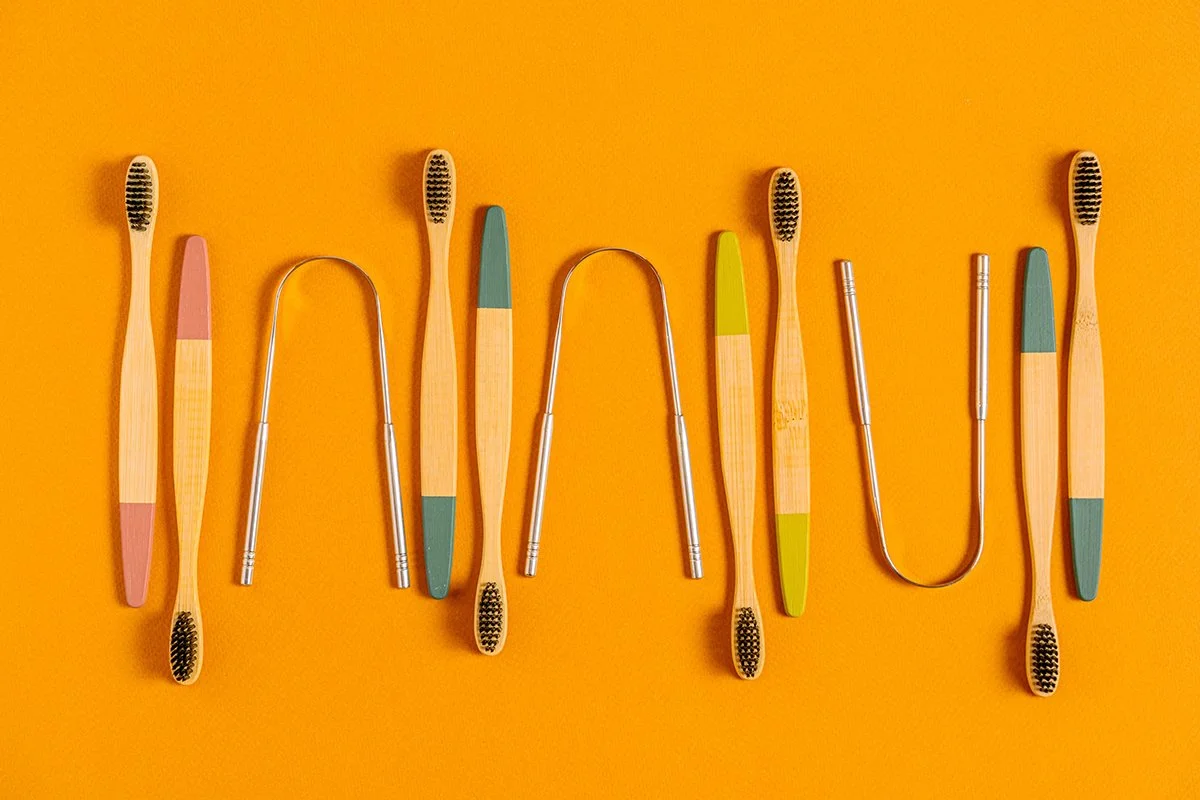
Photo courtesy of Pexels
When to Seek Professional Advice
Certain signs shouldn't be managed through home-routine changes alone: persistent gum bleeding or swelling, toothache or prolonged sensitivity, loose teeth, changes in bite, lingering bad breath, non-healing mouth sores, or broken fillings and appliances. Online information cannot replace a clinical examination. Severe pain, facial swelling, trauma, or difficulty breathing or swallowing warrant urgent dental or medical care.
A Simple Routine Readers Can Follow
1. Brush for about 2 minutes each morning.
2. Clean between teeth once daily, using whichever method suits your spacing.
3. Brush again before bed with fluoride toothpaste.
4. Gently clean the tongue if desired, without treating it as a substitute for tooth brushing.
5. Replace or maintain brush heads according to manufacturer guidance and bristle condition.
6. Schedule dental visits based on professional advice and personal risk factors.
A Sustainable Approach to Better Oral Hygiene
An effective routine is ultimately one you can perform consistently and comfortably. The core principles stay the same: adequate fluoride exposure, sufficient brushing time, gentle technique, daily interdental cleaning, mindful habits, and professional assessment when something feels off. Rather than overhauling everything at once, it helps to identify one weak point — rushing through brushing, skipping the spaces between teeth, or pressing too hard — and work on that single habit consistently. Small, steady improvements tend to outlast dramatic but short-lived changes.
[Courtesy photos]